Episode Transcript
This isn't just a podcast, it's a reminder. A reminder of what makes America Stronger isn't a headline or a hashtag. It's people from the ones building our homes to the ones rebuilding their lives, veterans, tradesmen, neighbors and volunteers, real people doing real things. Here we find common ground first, and then we work on our differences.
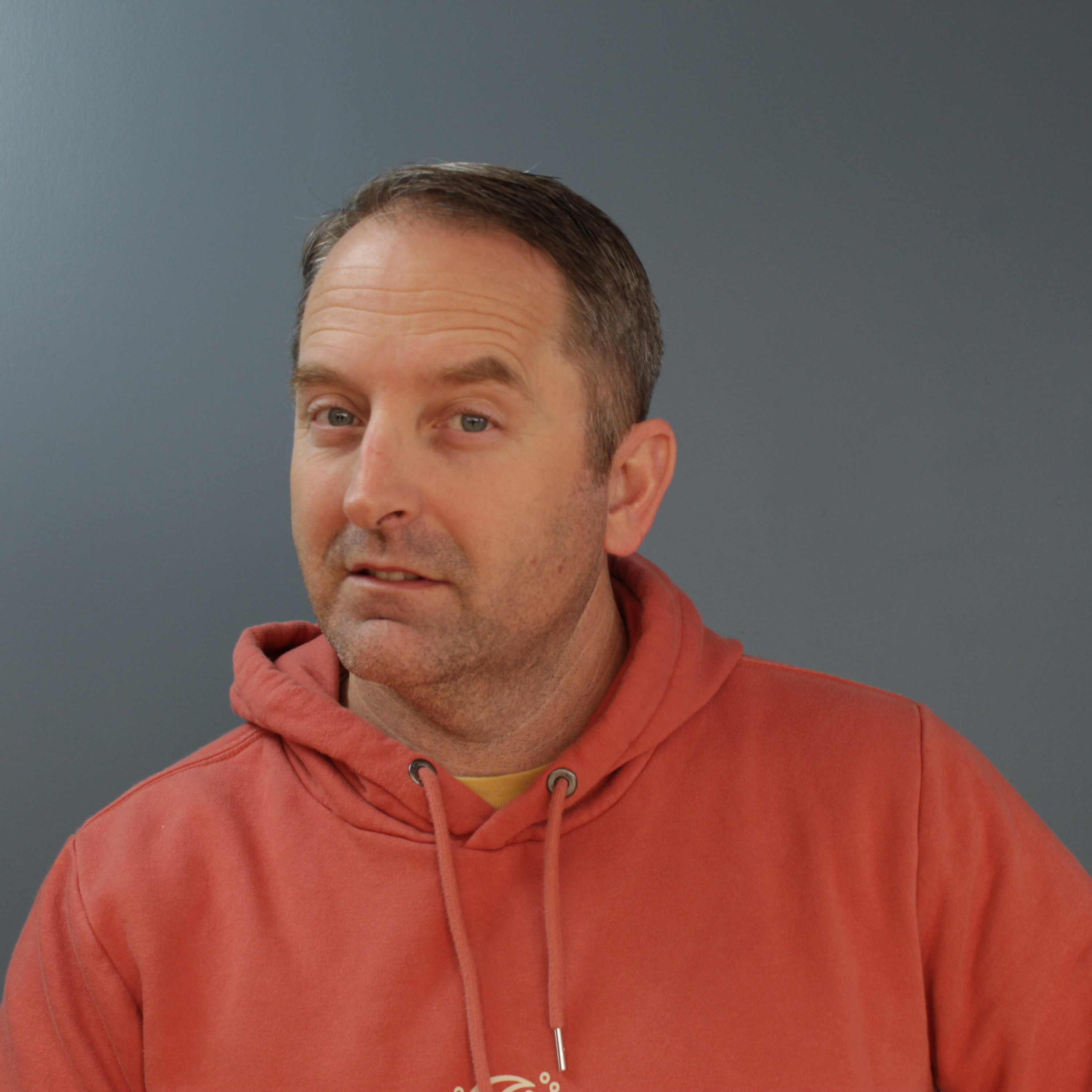
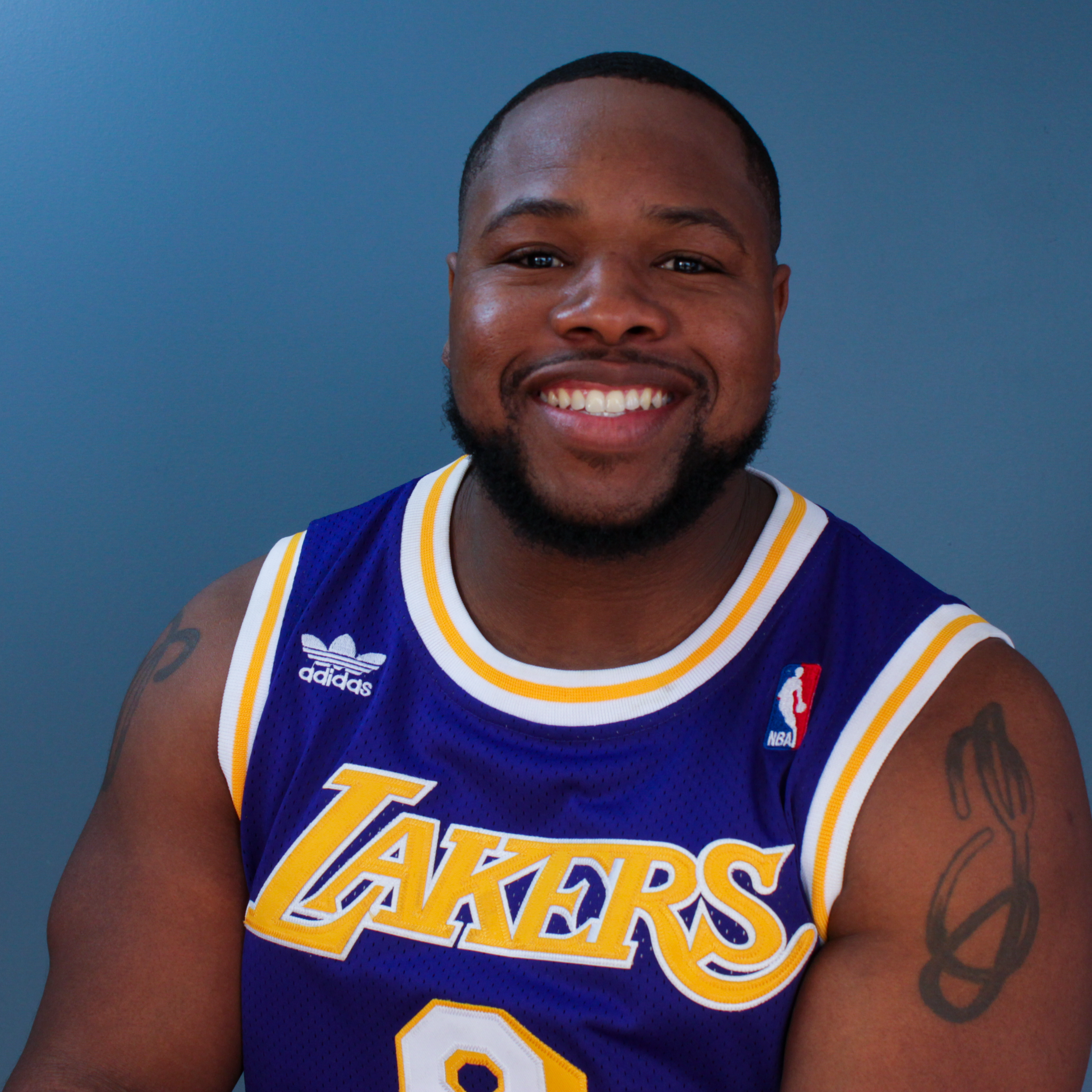
This is the collective perspective podcast where purpose, people, and progress mean. Hey everybody. Welcome back to the Collective Perspective podcast. My name is Jeff and I'm here with my buddy Travis. What's up, Trav? What's up everybody? Good evening. Um, on today's episode we're gonna dive into, uh, the idea that unlimited tolerance might actually lead to, uh, dangerous outcomes.
So I guess we could start out by what is our definition of tolerance? So. I don't know. I, I think I have different variances of tolerance. Um, I could almost categorize it, you know, like you have tolerance for how your kids behave. You have tolerance on the road. Tolerance and relationships. I mean, I guess you have a lot of work tolerance, pain tolerance.
Um, I mean, I have a lot of tattoos. Obviously pain tolerance isn't much, although I do feel pain. Uh, I don't have any tattoos, but that doesn't mean I can't tolerate a fair amount of pain. Well, I mean, tattoos are addicting and, uh, your body starts to numb itself automatically. All right, so it body, it is an after hours of sitting there that you actually start burning your, your body tolerates it up to a point, is what you're telling me.
Mm-hmm. And then it starts to burn, or you start feeling some other sensations that's not normal. Is that fair? I could tell you directly, it's a burning sensation and crazy enough witch hazel gets it to go away. Witch hazel. Well, you know what that does? It's a, uh, vasoconstrictor, man. My big words, I guess, right?
It constricts the vessels at the end of it so that it tightens up and you, one, don't bleed as much. And two, it takes the pain away and natural anesthetic in it as well. A funny thing is it's also the key ingredient to hormone treatment stuff. Pads and stuff and preparation H. Yeah. That's why do you give 'em a plug, finger plug.
Anyway, so what is your definition of intolerance or I guess tolerance. Tolerance, yes. Not intolerance. Uh, I think it's what you are willing to. Accept from an outside source, whatever that, whatever the input may be, it's whatever you're willing to accept up until you feel like you can't accept it anymore.
Is tolerance about agreement or respect? I think, you know, tolerance can go. I don't think it's about agreement. I think it's about respect for someone. Obviously when you, when you meet somebody, you don't know them, so you're tolerant of their views until you get to know them and how they act on their views or, uh, whatever input they're giving you.
Um. I, I, you know, tolerance is, is not something that I think, uh, is unlimited. I see it as it could be both respect or an agreement though. 'cause it could be like, uh, the government or said person or your parent allows you to do something to a point. Under the agreement that if you go beyond this point, it's not tolerated.
Uh, freedom of speech would be a good example. Okay. The government says this is highly tolerated, but it is within agreement in the Constitution that if you are using hate speech or, uh, I don't think hate speech was part of it, but any, any speech that leads to a violent act or, well, any speech that, uh.
Hurts or causes harm to someone else, leads to the harm of some. Yes. Is not, is where the tolerance stops. Correct. And so it could be respect, intolerance, I think in relationships it's respect. Uh, I'm tolerant of pretty much anything you do, Travis. Uh, thank you. Yeah, I don't think there's anything that I, I just can't tolerate this anymore, or I've never said I, I just can't tolerate this anymore, but there are other relationships that I have where I just can't tolerate certain things.
I, I, I know what you're saying. There's a, you know, I have a few work relationships like that where we tolerate a certain amount, but at some point it just becomes too much. Like, you know, you, you, you have to work with them, so you have to be on the same team, but at, at, at, at a certain point, you, you just want to tell 'em, look, just tone it down a bit.
You're, you know, whatever you're doing is not conducive to the work environment. Uh, so I, I think there is a point where tolerance is reached its peak, and then you kind of scale it back a little bit from there. I was thinking too, man, uh, tolerance is, it's, I can tolerate the fact that if you say that you're gonna be here at six 30 and you get here at six 50.
I don't, I don't think I can ever come to a point where that's, I can't tolerate that. But if it was something like, Hey Travis, uh, we have this appointment, we can't be late. Um, we gotta do this, and then you're late. Not to say that you would be, but just figuratively, then I would say I couldn't tolerate that.
That's on, that's something I can't tolerate. Uh, I may, then again, you may. You or me or whatever, may say, well, I can tolerate that one time, uh, maybe even a second time. And then third time you're like, okay, well I think that goes back to one of those age, uh, what is it, old adage or age old adage of, uh, uh, fool me once, shame on me.
Or, uh, fool me twice. No, fool me once. Shame on you, fool me twice, shame on me. Um, so, you know, you can tolerate it once. Because that could be an outlier. Uh, but the second and third time, that's just someone taking advantage of the situation. But again, it depends on the, uh, like you said, the situation.
Because if it's just something casual, it doesn't really matter exactly what time someone gets there. It's, you know, it's, uh, and maybe time is just one example, obviously obvi, yes. Um, how many times you're gonna show up with your booty sinking or, Hey man, how many times am I gonna tolerate having a conversation with you and you haven't flossed your teeth in five years?
I'm gonna be tolerant for a while and then I'm gonna have to back off a little bit. Uh, I'm sure anybody would or offer you a piece of some gum, a piece of gum. Um. And I think we, I think we probably surround ourself, people that we're most tolerant with, uh, except for maybe kids. 'cause you could just be like, look, I can't tolerate this.
I have, I have. But then you can step in and go, okay, I can. I can control the situation, control the situation. Yeah. Which goes back into our last episode about power and control. Right? Right. And, and that's not being powerful, that's actually being authoritarian at that point. You have to set boundaries and guidelines and, all right, the, these are our rules of engagement.
And what kids don't understand is that these rules are just not because they're there, but they have a purpose. It may be something that they don't realize for years to come. But there is a purpose why these rules are set up and, you know, for me and my kids, uh, that's something that I overlook a lot. I, I, I try to make sure that they understand what I'm trying to do, but I never follow through and ask if they understand.
The reasons why I'm asking them to do something. I think that would probably help them understand where I'm coming from, and then if they had any questions, then they can actually help me maybe even change my perspective. There you go. Collectively. You know who hit me up the other day? Dj. Dj. Did he? Yeah.
We're gonna talk to DJ again. Everybody. If you don't know, our first go round first season was with, uh, DJ Malone. And, uh, it'd be good to have him on. Uh, anyway, I think this is a good segue to say, uh, or introduce the topic and that is the tolerance or the paradox of tolerance. And it was, uh. Invented by Carl Popper.
Well, I guess the idea related, uh, I guess he documented it psychologically, is if a society tolerates tolerance without a limit, the intolerant will eventually destroy it using everyday examples like bullying in schools or online. Hate to make a concept real can you Can being too tolerant, lead to harm.
I, lemme say that again. Can too tolerant. TOO, lead to harm. I, I think it can lead to harm, uh, not just for one, one party, but all parties involved. Uh, because I, I think, you know, we can tolerate, uh, so here's an example of. Say we had somebody that went on a mass killing spree, that's bad. We, we can't tolerate that at all.
But do we in turn give that person the death penalty and kill them for what they've done? I mean, what will you, are you willing to tolerate that? Say the person killed, uh, a family, a mother, a pregnant mother and her two kids and cold blood just. Killed them all in, in, in their house. Are you, are you tolerant of the justice system, uh, giving out that type of, uh, justice?
I would wanna make sure that I was without a shadow, a doubt that, that that was him. And that's what his intent was. Or, or Well, I say he, because most people that kill people are men. Right? Or at least most people that do mass murders are men. I, I, I don't have any info on that. I'm sorry I don't have any hard facts, but I guarantee you if you look it up, when's the last time you heard a young lady shooting up a school?
I don't think you've ever heard of it. I think you might be correct in that. So that's kind of where, I guess you don't really need to look it up. Maybe you do, but I think being too tolerant can lead to harm. Uh, I think children are probably the easiest example of it. Um, ah, just parenting children. No, I, I think I know where you're going with this and I, I, I, I like it.
I might chime in again. Keep going. Thanks. Um, and kids, kids will always try to push their boundaries. Always. I don't know why it drives me nuts, but you know what the real thing is, man? Like I did it too. I was probably, man, I was like, man, I hope I, my kids aren't as bad as their kid as I was. But then my parents were like, you weren't a bad kid.
I'm like. Yeah, I kind of felt like I was, it didn't seem like that when I was a kid, so, no, I, I, I get that, you know, the kids, they're going to push their boundaries, their limits so they know where they are. Uh, if they never test it, then they're, to me, that's, that's more of a, a timid, shy person. It's not going to rock the boat, if you will, but you know, water start's coming in over the side.
You gotta stop rocking the boat and that's, that's when the parent steps in and says, all right, here's your limit. This is it. No more. I think that can go for so many situations. What would you feel if like all of a sudden your kid says, you've given me all this tolerance and now it has to be this way all the time.
And you don't have a choice what, uh, taking you, taking away that leeway. I'm, I'm using it as an outside example. If you think about it, if the kid was to come up to you and say, Hey, look, I'm not doing that. I'm doing it this way and this is the way it should be. Isn't that kind of how society represents itself?
A lot of, uh, different small groups in society feel like I used to say, well, I don't, I didn't come up with it, but it's the. The person loudest. The, the person shouting loudest is the smallest group. Yes. I, I do feel that way, that the person, you know, or the, the loudest voices are usually the smallest groups.
I, I think that's a, that's a, a generalization and we don't like generalizations, but in some cases it's accurate. I would say there's a lot of scenarios like that, but, um, we, we won't go too far, far into it, but. Uh, where do we see unchecked tolerance growing quietly? Unchecked tolerance? I'm not sure where, where we would see that.
Um, maybe you could help me out with it. Well, unchecked meaning that nobody's really noticing, but, oh, excuse me. Cut that unchecked tolerance. I don't know, man. That's a tough one. Uh, how about this let's, it's hard to do these podcasts without getting some sort of political, uh, slant on it. And I'm, I'm sorry, uh, but.
Let's think about immigration. Uh, for many years it was unchecked. We had millions, hundreds of thousands. Let's, let's start there. Hundreds of thousands of people crossing the border without being vetted. So that was, and we were tolerating that. Uh, or the, yes, I'd say we as a society, we're tolerating that and we're all for people trying to make a life better for themselves here.
When's it gonna switch, man? Is the, we turned the sensitivity down the last time, didn't we? Because it was going too easy, I thought.
I don't know. It's just kind of annoying because I wonder how many times it's done that. I, it's okay. Once or twice. It's okay if you're talking and it has a picture of me, but if I, I guess the problem I have with it is if I'm looking down, it doesn't look like I'm paying attention to you. No, I, I I see what you, I can tolerate that because I know you're listening to me.
So we did there, everybody, um, we had a little technical, I was it technical hiccup? Yeah, that's a technical hiccup. A little technical hiccup where we weren't, uh, we're on auto switching if you wanna know, but. And, um, I'm tolerating this software, uh, to do it for us. I, I could, anyway. I think politics, uh, I guess it kind of comes down to ha have you ever noticed how your political diet affects your mood or relationships?
Um, political diet, man. I don't know. I think that's like keeping up with the, what's going on in the world of politics. I, I, I'm, I'm kind of old school, well, I guess it would be old school where I try to keep a finger on it because of all the power over our day-to-day lives. Politicians really do have with what we can and can't do.
This is America. There shouldn't be much that we can't do. Uh, but. More and more we've got limitations on things, uh, where you can, uh, for instance, I know maybe some people this will resonate with some it won't, but burning of the flag, I've heard that, uh, the current administration is may thinking of putting anybody who burns the flag in jail for a year, uh, as a form of protest.
I don't think that's right. I don't agree with that, you know? Well, I mean. There are so many rules to the flag that people don't abide by. Lemme tell you, if you fly at at night, one of them, it has to have a light on it. If you fly at night, it has to have a light on it. If it touches the ground, it is to be terminated and you're supposed to take it stripe by stripe and burn it.
And actually burning the flag in protest is not as disgraceful as those I I It's, it's, it's not frowned upon in, in the constitution. It's not, or it is, burning of the flag is not frowned upon and I didn't because it's allowed to be burned, um, for disposal. Disposal, but then also, uh, revolt or like a retaliation.
Now let's look it up. Is it okay for the US flag to be burnt in the US constitutional rules of about the American flag? So, you know, when it comes to the burning of the flag, it's not a crime. Okay. The United Psychs flag is sometimes burned as a cultural or political statement, so you can use it, uh, burning the flag as a political statement.
Yes, and, and I'm, I would personally, I wouldn't do it. However, I understand why some people do and as a sign of protest or political statement or cultural statement, I don't know about cultural statement personally, because you know, you what other country? Can you burn the flag in front of your government officials?
I don't think there are many. Well, I think, I think what it's trying to say is that. Those two elements of burning the flag, uh, is considered free. Speech. Speech, yes. It's, uh, an expression of ideas which would be counted as speech wr, whether it's written or otherwise. And I don't know of very many other countries that have open free speech without some type of speech or expression.
Yes. We tolerate a lot in that, uh, in that sense. And see, man, that's the thing is, is that. It's okay that you have a different perspective. It's okay that you, I don't know. It is completely okay if you're completely wrong about someone or someone's ideas or someone's politics or the way things should be run, it's completely okay to be that way.
Um, recently I had some, I don't know, man, I, I keep on reverting to this. A clown. You shouldn't be mad at clown being a clown. You should, uh, you should ask yourself, why do you keep on going to the circus? And so I go into Facebook and I can only, I don't know, have a short tolerance for certain posts, uh, say political posts, and I probably shouldn't.
I don't even know why. Um, I don't know. There's something about me that just wants to say, no, you're wrong, but as a matter. Um, but in those situations it's probably just best not to say anything. Um, I really can't tolerate it very well. It just seems, I don't know. I, I see it as a, if something about politics or the world is get eating you alive and you can't do anything about it, and you just sit on social media and you complain about it.
Like, I don't know. At some point, tolerant is, um, what do they, uh, what do they call somebody when you help somebody do something, you're an enabler. Mm-hmm. Uh, yeah, I very good point. Uh, you know, certain amount of tolerance or when it goes above and beyond, I think then you become enabling. Alright. Then you become enabling.
Yeah, I, I think that when you allow certain things for so long and then that society or that person, whoever it is, becomes an enabler of that,
becomes an enabler of that action or that, uh, I, I can't think of the word that I'm looking for here. Um. Uh, more or less an action, I think is what I'm trying to say, uh, or enabler of that behavior. There we go. No matter what side of the political spectrum you're on it. I mean, let's face it. I, I think there is an undeniable that no matter what side of the aisle you're on, or maybe you're in the middle, like I, I can honestly say that I feel I'm in the middle.
Uh, I may lean, lean one way or the other, but I felt, I feel like I'm in the middle of like the two political parties, Republican and Democrat. Because let's face it, both of those career politicians over the last 50 years have been either lying to us or taking bribes. Uh, you know, like major corporations are the ones that.
Contribute to a lot of these no matter what aisle, it doesn't matter. You can't, you can't possibly say that, oh, well they're doing it and I'm not, because, no, that's not how it is. And the those people that are contributing that money are paying for their influence. And I think that is something that we can't tolerate anymore.
Corporations. Well, uh, I, I know that corporations donate to PACS and to, uh, they, they donate what they can to political parties or even representatives individually. Uh, however, uh, when, when a bill comes up, if you think about it, the top six companies write most of the bills. That's why we have such harsh restrictions on a lot of things that shouldn't really have a lot of restrictions.
They make it so hard for the little guy to succeed in a business venture on their own at the local level, that they run 'em outta business before they even get started, or when they do get started and have a, have a. Say profitable, um, game plan. They'll buy 'em out before they can become competition. But the, the rules are set against the little guy, if you will.
So that's something we shouldn't, in my opinion, we shouldn't tolerate. It should be an even playing field. And, uh, you know, this day and age, there really is no even playing field at, in, in terms of, uh, politics, in my opinion.
I think we need to talk about how to engage people in ideas that seem dangerous or hateful without becoming hateful back. Um, how do you stand your ground without shutting other people's down? Other ideas down? How do I stand? You probably do that at work a lot, right? I I do that, yes, I do that a lot at work.
Uh, more so with. It is really a lot of active listening. You have to listen to the other person and I will repeat back what they said or a synopsis of what they said just to ensure that I understand what they said and then I will talk to them, uh, or I will give my points of view with the rationale behind why I think certain parts are wrong of whatever they said.
Does that make sense? I, I'm just, I'm trying to have good closed loop communication. So communication is key in a lot of everything that we do, including being tolerant of someone, we have to understand where they're coming from. Okay. If, if I understand where you're coming from, then I can formulate my response to that and say, well, based on this, this is what I see.
Yeah, I could see that. Um. I'm trying to come up with an example of my own, um, um, mine's drawing a blank.
I think we've been doing pretty good on this one so far. I'm trying to think of like shutting, uh, how I, how do you stand your ground without shutting others down? I think, um, I think without shutting other people's down. Is, like you said, you're actually listening to what they're saying and maybe, uh, you are showing some kind, some kind of, uh, that you're taller.
You're at the point of being not tolerating something anymore. Um, I, we've talked about this before. You, you don't even know. You don't even have an argument if you don't understand the three principles of why the other person feels that way. And you should try to definitely try to understand why somebody is saying that way, and that is tolerating them, I guess.
Man, that rude tolerated, how many times have we said it in this, what? 25 minutes? Oh, it is the, uh, title of the episode. It's, but. How longer can you tolerate us, say and tolerate, and at what point are you just not gonna tolerate it anymore? Yeah. But, um, shutting, not shutting someone down, it's, um, you've, you've reached your, your limit.
Uh, I think, I think how a lot of people do it is they use this, in my opinion too, too frequently. Well, let's just agree to disagree. I, I think that right there is one of the ways that people shut things down without moving any further. It kind of shuts down that whole discussion right there. Well, I think you can agree to disagree, but yeah, it does shut down.
It does say they're not gonna tolerate any more conversation about it, if that's right. Um, agree.
Yeah, I guess you're really not gonna get anywhere there. Uh, they may not even be recognizing the fact that, I don't know, maybe you just disagree, you know? It's a little bit easier. Like if I say, Hey, uh, I don't like the sports team. And you say, no, the Redskins are the, or are they the Redskins yet? Well, fuck.
Are they the Redskins yet? No, they're still the commanders. Okay. So. Uh, at, at least publicly, the commanders, all of my regalia is all Redskins. Well, obviously I'm not going to, I I'm going to agree to disagree that they're the best team, you know? Um, and I guess there's a lot of, uh, topics where you can agree to disagree.
Um, I don't know. We're kind of losing control of the topic here. Uh, what kind of behavior or attitude do you want to help normalize in, in the circle? And then what does strong, thoughtful tolerance look like to you?
Uh, we can just skip to this. So the type of behavior I like to tolerate in my circle is sitting ground rules for, I don't know, you don't have to really just have to sit down and write down rules, but. And I guess it depends on what circle it's, so, I, I think that's a big part of it. What circle you're in or what, uh, what, who you're around.
It, it really does play a big difference. So say you're out with some buddies that are working on cars and like, like something that I would do if I had, you know, people coming over to help me work on my cars. You know, we're out there talking, we're using sailor language. Uh, you wouldn't use that. You wouldn't use those same rules in that scenario and then go to church, uh, and have the same, same rules.
I think it's, it's almost an unspoken, all right, we're, we're in a different setting. We need to, uh, have, go by the standard norms of this. Setting. It's, I think that's where a lot of it's based is on the setting. Not necessarily the, and it can be context related too. Like, Hey, the church is burning down.
Guess what? Everybody's gonna be screaming whatever at that point. Uh, but, you know, just normal church life, they're not gonna say the same normal church life. They're not gonna say the same things that you would
in your garage. Well, I think that's just shop talk. Uh, I mean we call it Navy talk too. Some people, some people, uh, have a different language course cor of language when they're upset or they're happy. Or sad, so it's emotional based, so kind of normalizing. Sometimes even at that point, it's more tolerated than if you didn't have an issue.
So normalizing something in your circle. It's not really, like you said, setting ground rules. It's going by established norms for the situation or the group that you're in. And I think as far as, uh, agree to disagree is just that that person's not willing to compromise or come to me a middle ground is what that means.
I, I think that can be the case. Um, I hear what you're saying, Travis, but no matter what you say, I, I'm not gonna agree to that. I'm sorry. There's no way around it, no matter what you say. Right. That's it. Period. Okay. Agree to disagree. They seem like we're mad at each other. Uh, well, anyway, I think that's how it would go down, right?
I, I think so. Yeah. Uh, but what does strong, thoughtful tolerance look like to you?
I think strong, thoughtful tolerance is saying, okay, you want to act this way, or You want to do this, or you want to go here? I can tolerate that. I don't really wanna do it. I can go, but I'll allow it. And it's not even like authoritarian anything. Like, I'll allow you to play out in the yard, or I'll play, I'll allow you to eat.
I'm just saying I don't really wanna do it, but I'll tolerate it. I'll do it because you like it, because you like doing it. And that's, that's good enough for me. I think that's, that's a, a good basis for a, you know, that's a good friendship and or a good relationship with that other person. You'll, you're willing to go out of your comfort zone just for a little bit, uh, so long as they are willing to do the same for you.
I am gonna end this episode. A little bit weird, but this is all I can tolerate. Bye. No, just kidding. Actually, I like that. Yeah. Later
here. Then you go back on and go, Hey everybody, and do the comments and stuff. Hey everybody, if you like what we, uh, talked about today, give us a like share. Do again. Wow. You're not even doing anything. It went back to me and I'm supposed to be gone. Oh, wait. Here, do this.
Hey, everybody, if you're, Hey everybody. If you like what we have discussed today, please give a like, share, comment down below. Let us know if there's anything else that we need to be more tolerant of or if there's anything that, uh, any other, any. Other subject or topic you'd like us to discuss?